Joe Beef Virtual Character
An AI-powered historical figure bringing 19th century Montreal back to life, in direct conversation with visitors.
Client: Pointe-à-Callière
Fabrication: Robocut
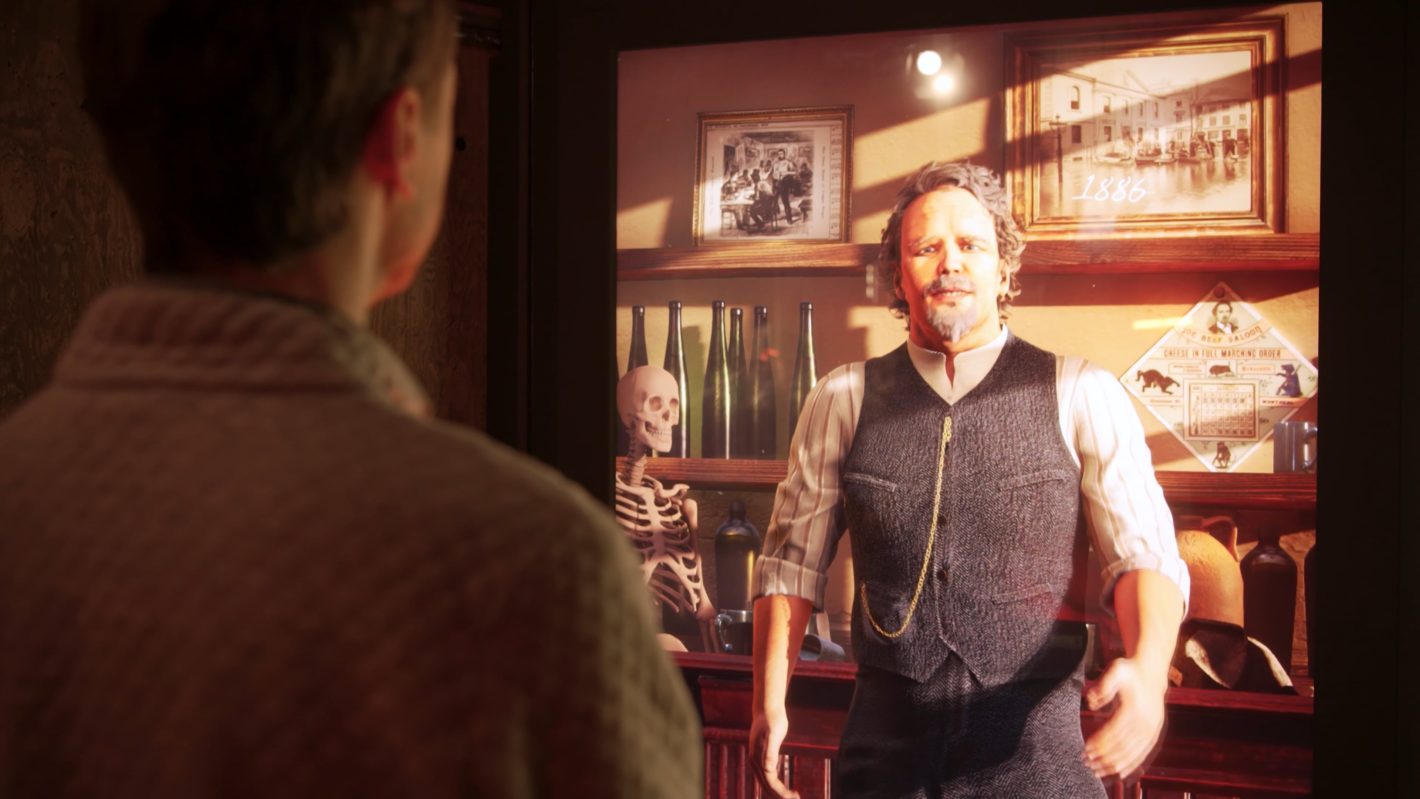


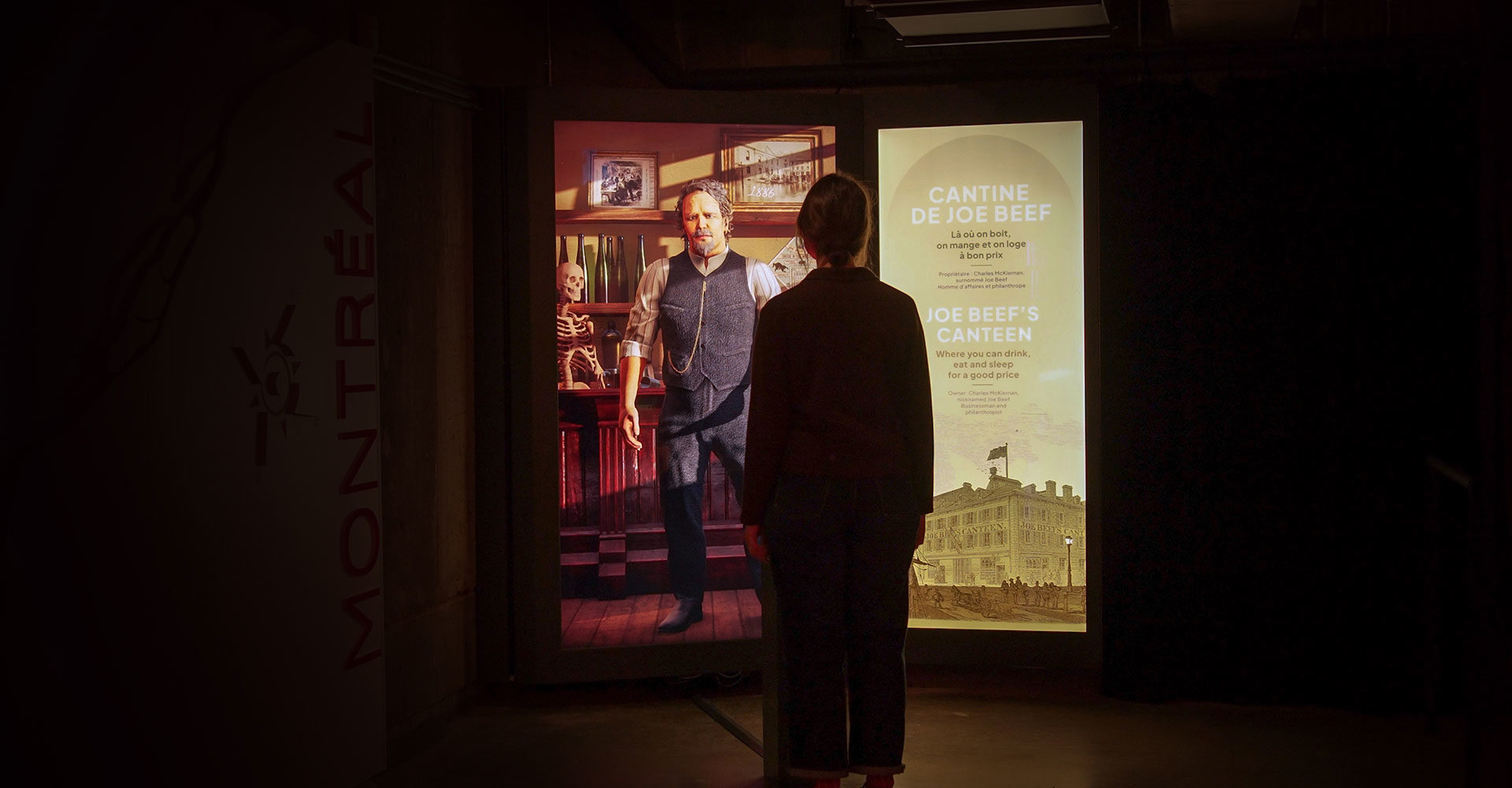
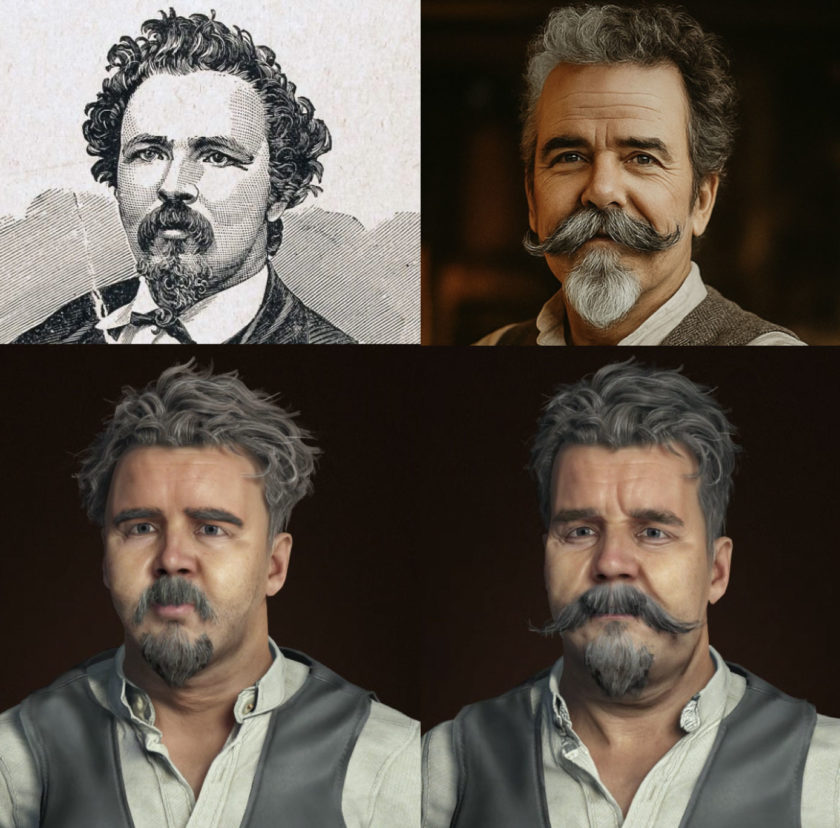
For Pointe-à-Callière Museum, Dpt. created an interactive embodiment of Joe Beef, the legendary Old Montreal tavern keeper.
Powered by a real-time conversational AI system, a fully animated 3D character, and bilingual voice interaction, visitors can engage Joe Beef freely… asking questions, challenging him, and exploring Montreal’s past through dialogue.
Challenges
The project required balancing historical rigor with conversational freedom. Joe Beef is both a documented figure and a mythologized character, which demanded careful curation of sources and clear narrative boundaries to prevent distortion or anachronism. At the same time, the system needed to support open-ended dialogue without compromising accuracy. Technically, the installation had to operate reliably in a museum environment, offline-first, with low latency and seamless voice interaction.
Beyond the engineering challenge, the goal was to avoid creating a technological novelty and instead deliver a meaningful, credible form of cultural mediation.
Approach
Historical grounding
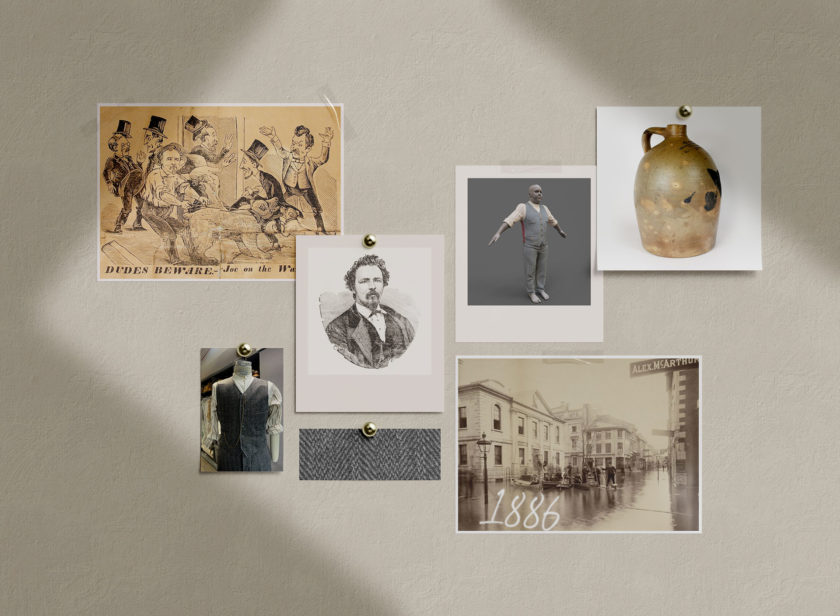
We built a structured archival corpus (press, historical records, contextual research) transformed into a RAG-based knowledge system to anchor the character’s responses in verified sources.
Local AI pipeline
The experience is powered by a fully integrated, real-time AI architecture designed to operate entirely on-site. The pipeline combines speech-to-text, a locally deployed large language model, a retrieval-augmented generation (RAG) system grounded in curated historical sources, text-to-speech synthesis, and real-time lip synchronization. Each component is optimized for low latency and stability in a museum environment, ensuring seamless bilingual interaction without reliance on cloud infrastructure.
Credible embodiment
A carefully crafted 3D character balancing historical realism and performative presence. Facial animation and voice performance reinforce authenticity and engagement.
Persona design
We defined tone, worldview, vocabulary, and narrative boundaries to ensure coherence, depth, and ethical alignment with contemporary audiences.
Scenography
The scenography was carefully designed to integrate seamlessly into the permanent exhibition, both visually and narratively. A directional microphone clearly captures visitors’ questions without picking up ambient noise, enabling precise and natural interaction. The system is supported by a light-based color code that reinforces the intuitiveness of the experience and sustains a fluid dialogue. A sound shower immerses the visitor in the atmosphere of the period and the conversation, while containing the audio within the installation to preserve the calm of the surrounding exhibition space. Finally, a backlit banner contextualizes the era, location, and character, acting as a narrative threshold into the encounter.
The installation delivers natural, bilingual, free-form conversations that consistently sustain visitor attention beyond typical dwell times. Audiences test him, challenge him, and engage in genuine dialogue. The project establishes a new model for participatory cultural mediation, shifting from static interpretation to dynamic exchange. It also demonstrates a scalable framework for AI-driven historical embodiment that can be adapted to other figures, collections, and institutions.